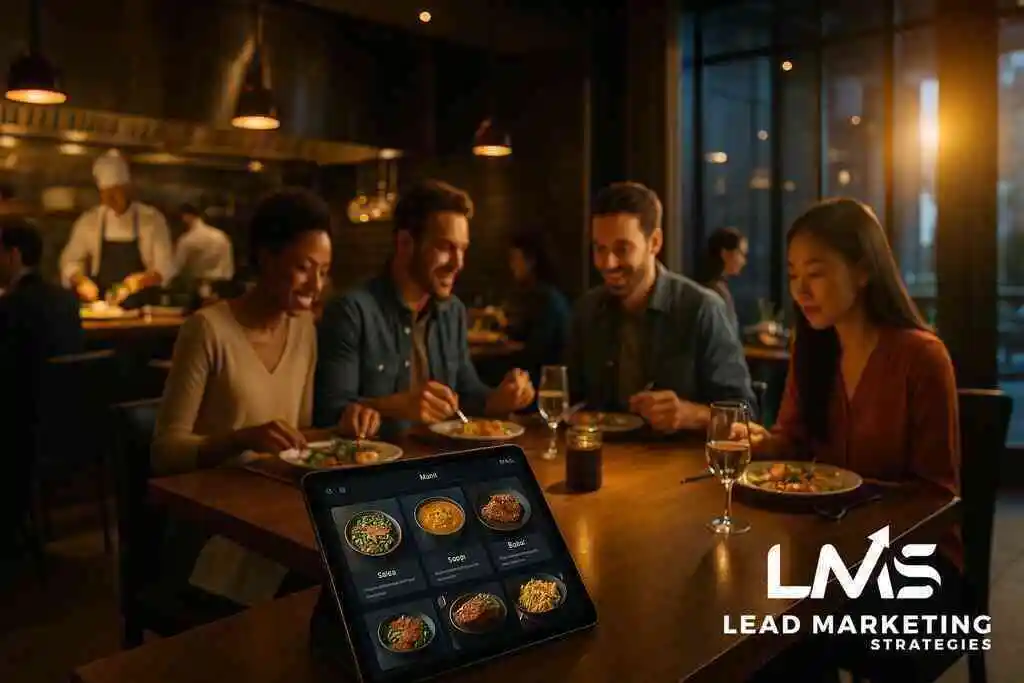
Setting the Table for Success
Understanding the Importance of Responsive UX in Restaurant Marketing
A restaurant’s website is often the first impression a potential customer gets – and first impressions matter. A responsive UX for dining establishments ensures that customers can navigate effortlessly, regardless of the device they use. When restaurants prioritize responsive UX, they improve user satisfaction and boost their chances of retaining potential customers. Responsive design adapts to different screen sizes, providing a seamless experience that drives engagement. Recognizing how a well-designed user interface can transform casual visitors into dedicated patrons is one of the most valuable steps a restaurant can take.
The Role of User Experience Design in Enhancing Restaurant Branding
User experience (UX) design plays a significant role in establishing and reinforcing a restaurant’s brand. A thoughtfully designed website can convey a restaurant’s ambience and culinary philosophy before the customer ever sets foot inside. Through enhancing user experience design in restaurants, restaurants can leave a lasting impression on visitors. By incorporating elements like intuitive navigation and visually appealing layouts, restaurants communicate their identity more effectively. This tailored design approach elevates brand perception and carves out a distinctive position in the competitive dining market.
Leveraging Digital Marketing for Dining Establishments
For restaurants, digital marketing offers expansive opportunities to grow their reach and connect with a wider audience. By implementing comprehensive digital marketing strategies, restaurants can strengthen their online visibility and attract new customers. Embracing digital marketing for restaurants near New York is particularly crucial in bustling areas where competition is fierce. Through targeted advertising campaigns and SEO-driven content, restaurants can build strong online presences. Integrating tools like social media and email marketing also helps dining establishments foster deeper relationships with their audience and encourage repeat business.
Crafting a Delectable Digital Experience
Mobile-Friendly Restaurant Websites: A Necessity, Not a Luxury
With mobile browsing now dominating user behavior, a mobile-friendly website is no longer optional for restaurants – it is a baseline requirement. Ensuring mobile optimization for restaurant websites is essential for capturing the modern consumer. Mobile users expect quick loading times, clean layouts, and intuitive navigation. Restaurants that invest in mobile-friendly designs meet customer expectations and increase their chances of conversion. By delivering a seamless mobile experience, restaurants not only satisfy industry standards but also enhance overall customer satisfaction and engagement.
Interactive Web Design to Engage and Delight Customers
Creating an engaging online experience through interactive web design in dining can captivate customers and set a restaurant apart from the competition. Interactive elements such as virtual tours, animated menus, and customer reviews deepen engagement and spark user interest. These design features turn a simple website visit into an immersive journey, encouraging customers to explore more about the restaurant. Weaving storytelling into web design allows restaurants to evoke emotion and build a memorable online presence. When these elements are seamlessly integrated into the overall design strategy, the result is both functional and distinctive.
Optimizing Restaurant Websites for Seamless User Journeys
Optimizing restaurant websites for seamless user journeys is essential for guiding visitors effectively through the digital experience. By applying user-centered design principles, restaurants can create intuitive paths that lead to desired actions, such as booking a table or placing an online order. Features like clean page layouts, clear calls to action, and efficient site architecture make navigation effortless. Fast loading speeds and mobile responsiveness also prevent frustration and reduce drop-offs. A well-optimized website not only attracts customers but also builds confidence and trust in the brand.
Savoring the Benefits of SEO
Restaurant SEO Strategies for Enhanced Search Engine Visibility
SEO remains one of the most critical strategies for improving search engine optimization visibility in the restaurant space. Employing effective SEO strategies for restaurant branding involves optimizing content and website elements to rank higher in search results. By targeting relevant keywords and phrases, restaurants can connect with their audience more effectively. Incorporating local SEO tactics ensures the restaurant appears prominently in searches by nearby customers, boosting foot traffic and online orders. Regularly refreshing content with timely, engaging information also helps maintain favorable search rankings.
Content Marketing: Serving Up Engaging and Relevant Information
Content marketing is a powerful tool for delivering engaging, relevant information to a restaurant’s audience. By producing high-quality blog posts, recipes, and behind-the-scenes stories, restaurants can build genuine connections with their customers. Strong content strategies foster brand loyalty and attract new visitors by showcasing what makes the restaurant unique. Through restaurant content marketing, establishments can highlight seasonal dishes, chef profiles, and customer testimonials. Multimedia content – including photos and videos – further boosts engagement and lets the brand’s personality shine through.
Integrating Social Media for a Holistic Online Presence
Integrating social media into a restaurant’s marketing strategy creates a comprehensive and well-rounded online presence. Platforms like Instagram, Facebook, and Twitter offer unique opportunities to engage with audiences and share real-time updates. By integrating social media in restaurant marketing, restaurants can amplify their reach and open ongoing dialogue with customers. Social media is ideal for showcasing visual content, promoting events, and gathering valuable feedback. It also encourages patrons to become brand advocates by sharing their experiences and recommending the restaurant to others. For a deeper look at what’s working across platforms right now, explore the top social media marketing strategies for 2026.
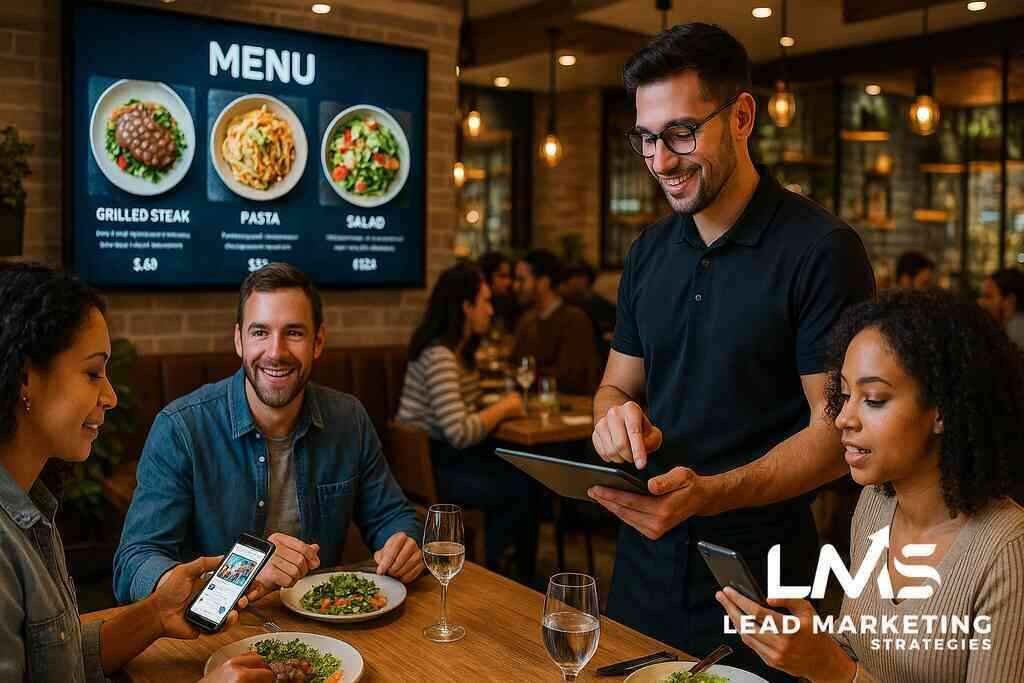
Cooking Up a Storm with Lead Generation
Restaurant Lead Generation: Attracting and Converting New Customers
Attracting and converting potential customers starts with a solid restaurant lead generation strategy. Using a blend of digital advertising, compelling offers, and strategic partnerships, restaurants can draw in a wider audience. Consistent lead generation provides a steady stream of new customers and supports sustained business growth. Targeted promotions and incentives – such as discounts for first-time diners or loyalty programs – further stimulate interest. With CRM tools in place, restaurants can efficiently track leads and nurture them into long-term patrons.
Effective Restaurant Marketing Campaigns to Capture Attention
Crafting restaurant marketing campaigns that capture attention requires creativity and strategic planning. Campaigns should align with a restaurant’s brand values and reflect the preferences of its target audience. Eye-catching visuals, personalized messaging, and time-sensitive offers drive engagement and prompt immediate action. Collaborations with local influencers and community partnerships can amplify these efforts further. Restaurants that execute focused, well-aligned campaigns are best positioned to achieve maximum visibility and impact in the market.
Targeting the Right Audience for Maximum Impact
Reaching the right audience is essential for making marketing efforts count. Understanding customer demographics, preferences, and behaviors allows restaurants to tailor their messaging and offerings with precision. By refining audience targeting strategies, restaurants ensure their marketing resonates with those most likely to convert. Data analytics and insights from past campaigns provide valuable feedback for optimizing future efforts. Maintaining focus on core customer segments sharpens the relevance of marketing messages, ultimately driving higher conversion rates and greater customer satisfaction.
The Final Course: Measuring and Improving
Enhancing Restaurant Conversion Rates Through Data-Driven Insights
Measuring and improving conversion rates through data-driven insights is vital for restaurants aiming to maximize their online performance. Regular analysis of customer interactions, website performance, and engagement metrics reveals clear opportunities for improvement. By implementing conversion rate optimization for restaurants, businesses can identify friction points in the customer journey and refine their digital strategies accordingly. Testing variations in website design, offers, and calls to action supports informed decision-making that lifts overall conversion rates. Staying attuned to data trends ensures that restaurants remain competitive and customer-focused. For additional perspective on measuring digital performance, see what defines 2026 design ROI.
Ensuring Accessibility and Usability for All Customers
Accessibility and usability are fundamental to delivering a superior online experience for every customer. Providing restaurant website accessibility solutions ensures that everyone – including individuals with disabilities – can interact with a restaurant’s digital platform effectively. Compliance with accessibility standards strengthens brand reputation and broadens the potential customer base. Clear navigation, text-to-speech compatibility, and alt text for images are key elements in achieving this goal. By prioritizing accessibility in web design, restaurants demonstrate a genuine commitment to inclusivity and customer satisfaction.
Continuous Improvement: Staying Ahead in the Competitive Restaurant Market
Remaining agile and open to ongoing refinement is essential for restaurants that want to maintain a competitive edge. The restaurant market is dynamic, with shifting consumer preferences and rapid technological advancements continuously reshaping industry standards. By regularly refining digital strategies and embracing innovation, restaurants can stay ahead of the competition. Continuous learning through training, workshops, and industry events fosters a culture of adaptability. Restaurants that commit to ongoing improvement are better positioned to meet customer expectations and achieve lasting success in an ever-evolving market.
Conclusion
Building a strong online presence requires restaurants to embrace responsive UX, strategic digital marketing, and targeted lead generation. Through optimization and innovation, dining establishments can enhance their brand visibility and deepen customer engagement. The results speak for themselves – businesses that partner with the right digital marketing team consistently see transformative growth. As one satisfied client put it:
“Lead Marketing Strategies is an amazing digital marketing agency! Their team is professional, creative, and truly focused on helping businesses grow. They deliver real results with effective strategies and quality leads. I especially appreciate how responsive and supportive they are throughout the process. Highly recommend Lead Marketing Strategies for anyone who wants to take their business to the next level!”- Md H., a 5 star review from Lead Marketing Strategies on Google Business Reviews
If you’re ready to transform your restaurant’s digital strategy, consider partnering with Lead Marketing Strategies to tap into the full potential of expert marketing services.
Frequently Asked Questions
Question: How does responsive restaurant UX contribute to the effectiveness of digital marketing for dining establishments? Answer: Responsive restaurant UX is crucial in enhancing the effectiveness of digital marketing for dining establishments by providing a seamless and engaging experience across all devices. This adaptability ensures that potential customers can easily access and navigate a restaurant’s website, leading to higher engagement and retention rates. By improving user experience design for restaurants, Lead Marketing Strategies helps dining establishments stand out in a competitive market by creating intuitive restaurant navigation and mobile-friendly restaurant websites that are essential for capturing modern consumers.
Question: What role does restaurant lead generation play in the context of responsive UX for restaurants with Lead Marketing Strategies? Answer: Restaurant lead generation, when combined with responsive UX, becomes a powerful tool for attracting and converting potential customers. Lead Marketing Strategies leverages effective restaurant branding and interactive restaurant web design to create a seamless user journey that guides visitors toward desired actions like booking tables or signing up for newsletters. By integrating CRM tools and targeted promotions, we ensure that restaurants can efficiently track and nurture leads into loyal patrons, driving sustained business growth and enhancing overall customer engagement.
Question: How does a mobile-friendly restaurant website impact search engine visibility for restaurants? Answer: A mobile-friendly restaurant website significantly impacts search engine visibility by aligning with search engines’ criteria for ranking. As mobile browsing continues to dominate, search engines prioritize websites that offer seamless mobile experiences. Lead Marketing Strategies focuses on optimizing restaurant websites for mobile by ensuring fast loading speeds, clean layouts, and efficient navigation. This strengthens a restaurant’s search engine visibility, making it easier for potential customers to find the establishment online and boosting both traffic and conversions.
Question: In the blog title ‘Responsive UX for Restaurants with Lead Marketing Strategies’, what specific strategies does LMS employ to enhance a restaurant’s online presence? Answer: Lead Marketing Strategies emphasizes the importance of responsive UX in enhancing a restaurant’s online presence. We employ a multi-faceted approach that includes optimizing restaurant websites for seamless user journeys, integrating interactive web design elements, and applying data-driven insights for continuous improvement. Our strategies are tailored to each restaurant’s unique identity, with a focus on customer engagement, effective restaurant branding, and improving restaurant conversion rates. By doing so, we ensure that restaurants not only attract more visitors but also convert them into loyal customers.
Question: Why is it important for restaurants to integrate social media into their digital marketing efforts? Answer: Integrating social media into a restaurant’s digital marketing strategy is essential for creating a well-rounded online presence. Social media platforms offer unique opportunities for engagement and dialogue with customers, allowing restaurants to amplify their reach and showcase their brand personality. Lead Marketing Strategies helps restaurants use social media channels to promote events, share visual content, and gather customer feedback. This approach enhances brand visibility and encourages loyal patronage, making social media an integral part of effective restaurant marketing campaigns.