The 2026 eCommerce Landscape Beyond the Checkout Button
The future of ecommerce marketing demands a radical shift in perspective. Success is no longer defined by a simple transaction but by the depth of connection forged with each individual customer. Brands must now architect entire ecosystems of value that engage consumers long before and well after a purchase. This evolution transforms the digital storefront from a static catalog into a dynamic, interactive hub of brand experience. Consequently, the most effective strategies focus on building lifelong relationships rather than securing one-time sales. To thrive, businesses must understand this new paradigm and adapt their core marketing strategies accordingly.
Redefining Connection in a Post-Cookie Digital Ecosystem
The deprecation of third-party cookies has fundamentally reshaped the digital advertising landscape. Marketers can no longer rely on invasive tracking to understand their target audience. Instead, the focus has pivoted toward building direct, trust-based relationships through first-party and zero-party data strategies. This shift empowers brands to create more authentic and compliant customer profiles. Furthermore, it encourages the development of content and experiences so valuable that users willingly share their preferences. This privacy-first approach is not a limitation but a tremendous opportunity for deeper, more meaningful engagement. Ultimately, it forces a return to marketing fundamentals centered on genuine customer value and consent.
From Transactional to Transformational Customer Journeys
Today’s consumers seek more than just products; they seek transformation, identity, and community. The customer journey must therefore evolve from a linear path to purchase into a multi-layered narrative. This involves creating touchpoints that educate, inspire, and entertain, turning every interaction into a chapter of a larger brand story. Effective strategies now interweave product discovery with valuable content, seamless service, and post-purchase support. The goal is to make the customer feel seen and supported at every stage. This transformational approach builds immense brand loyalty and turns customers into passionate advocates for your mission.
Why Legacy Strategies Are Officially Obsolete
Relying on yesterday’s playbook is a surefire path to irrelevance in the current market. Generic email blasts, intrusive pop-ups, and one-size-fits-all advertising campaigns now actively repel the modern, savvy consumer. These tactics fail to acknowledge the demand for personalization, immediacy, and experiential value that defines contemporary shopping behavior. The algorithms of major search engines and social media platforms also penalize low-engagement, interruptive marketing. To capture attention and drive conversions, your digital marketing plan must be agile, data-informed, and customer-obsessed. Letting go of legacy thinking is the first critical step toward unlocking measurable results and sustainable growth.
The AI-Personalization Engine Hyper-Targeting the Individual
Artificial intelligence has moved from a buzzword to the central nervous system of high-performing ecommerce operations. The capability to analyze vast datasets in real-time allows for hyper-targeting at an individual level, moving beyond basic demographics. This enables the delivery of unique product recommendations, tailored messaging, and customized content that feels personally curated. An advanced AI-driven personalization and predictive customer analytics system doesn’t just react to behavior; it anticipates needs and desires before the customer even articulates them. Implementing this engine is no longer a luxury for major retailers but a fundamental requirement for any business seeking a competitive edge. It represents the core of modern, effective marketing strategies that deliver unparalleled relevance.
Building Real-Time Personalization Engines That Anticipate Desire
The pinnacle of personalization is an experience that feels intuitively crafted for the individual user. Real-time personalization engines achieve this by synthesizing live behavioral data, such as current browsing session activity, with historical purchase data and inferred intent. This allows a website to dynamically adjust product displays, promotional offers, and even site navigation to match the visitor’s immediate context. For instance, a customer looking at rain boots could instantly see a curated collection of waterproof jackets and umbrellas. This level of responsiveness dramatically increases conversion rates by reducing friction and decision fatigue. The technology creates a sense of being understood, which is a powerful driver of both sales and loyalty.
Leveraging Predictive Customer Analytics for Proactive Engagement
Predictive analytics transforms raw data into a crystal ball for customer behavior. By analyzing patterns, these systems can forecast future actions, such as the likelihood of a purchase, churn risk, or customer lifetime value. This intelligence allows marketing teams to shift from reactive to proactive engagement. You can deploy retention offers to at-risk customers before they leave or recommend the perfect product right as the need arises. This proactive approach makes marketing feel less like advertising and more like a valuable service. It ensures resources are focused on high-impact opportunities, maximizing return on investment across your advertising campaigns and marketing services.
Implementing Privacy-First Data Collection and Zero-Party Data Strategies
Trust is the new currency in digital marketing, and it is built on transparency and respect for privacy. Privacy-first data collection strategies prioritize obtaining explicit consent and being clear about data usage. The most powerful tool in this new era is zero-party data-information a customer intentionally and proactively shares with a brand, like preference center selections, purchase intentions, or personal style quizzes. This data is inherently more accurate, volunteered, and compliant than tracked behavioral data. Encouraging its sharing requires offering clear value in exchange, such as personalized product finds or exclusive content. Building your marketing strategy on this foundation fosters trust and enables richer personalization without reliance on third-party sources.
Crafting Dynamic Pricing Algorithms That Feel Fair and Enticing
Dynamic pricing has evolved from simple competitor matching to a sophisticated brand perception tool. Modern dynamic pricing algorithms for ecommerce consider a multitude of factors beyond supply and demand, including individual customer price sensitivity, purchase history, and real-time engagement. The objective is to offer a price that feels both fair to the customer and optimal for the business, avoiding the negative sentiment associated with perceived gouging. For example, offering a loyal customer a personalized discount on a frequently purchased item reinforces their value. When executed with transparency, dynamic pricing can enhance customer satisfaction and optimize margins simultaneously, making it a critical component of a sophisticated revenue strategy.
Immersive and Experiential Digital Marketing The New Storefront
The digital storefront must now compete with the emotional and sensory appeal of a physical store. Immersive and experiential digital marketing bridges this gap by creating engaging, interactive environments that captivate shoppers. This approach transforms passive browsing into an active, memorable experience that builds deeper emotional connections with the brand. Technologies like augmented reality (AR) and interactive video allow customers to engage with products in a context that feels personal and tangible. These experiences are powerful differentiators that can command premium pricing and fierce loyalty. In essence, your website and social media platforms become destinations for discovery and interaction, not just transactional portals.
Designing Augmented Reality Product Visualization That Converts Browsers
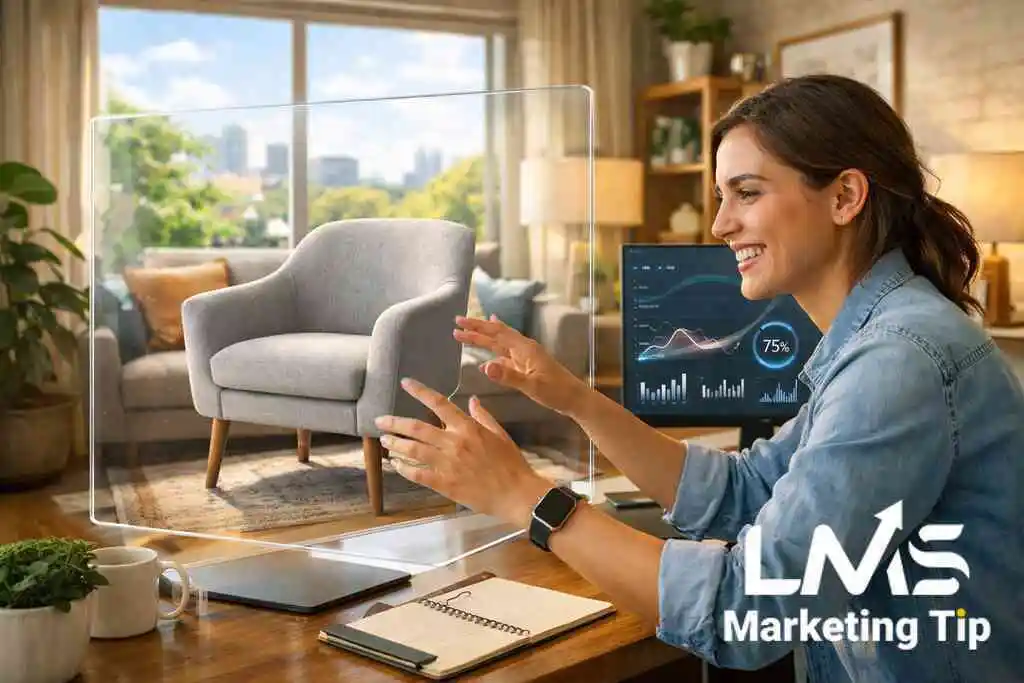
Augmented reality product visualization has moved from a novelty to a necessity for categories like furniture, fashion, and home decor. It solves the fundamental ecommerce problem of uncertainty by allowing customers to “try before they buy” in their own space. A shopper can see how a sofa fits in their living room or how a pair of sunglasses looks on their face, drastically reducing purchase hesitation and return rates. Implementing AR requires thoughtful integration into the product page and a seamless user experience. The investment, however, pays dividends through higher conversion rates, increased average order value, and a powerful marketing story. It’s a prime example of how immersive shopping experiences and augmented reality build confidence and close sales.
Engineering Interactive Video Shopping and Conversational Commerce Tactics
Video content has become interactive and shoppable, turning viewers into instant customers. Interactive video shopping allows users to click on products within a video to see details, access links, or make a purchase without leaving the player. This tactic is incredibly effective for tutorials, behind-the-scenes looks, and product demonstrations. Similarly, conversational commerce tactics leverage chatbots, messaging apps, and live video shopping to facilitate dialogue-driven purchases. These methods replicate the helpful guidance of an in-store associate, providing answers and recommendations in real-time. Together, they shorten the path to purchase and create a more engaging, human-centric shopping experience that builds rapport and trust.
Mastering Visual Search Engine Marketing for Frictionless Discovery
The way people search is becoming increasingly visual. Platforms like Google Lens, Pinterest Lens, and similar technologies allow users to search with an image instead of text. Mastering visual search engine marketing for ecommerce means optimizing your product imagery to be discovered through these channels. This involves using high-quality, clean images with descriptive, structured data (schema markup) so algorithms can accurately understand and index your products. When a user snaps a photo of a friend’s dress or a piece of street art, your similar product should appear in the results. This creates a frictionless discovery channel that captures high-intent demand at the very moment of inspiration, driving highly qualified traffic to your site.
Building Phygital Retail Integration for a Cohesive Brand Experience
The line between online and offline retail has blurred into what is now called phygital integration. This strategy creates a cohesive brand experience where digital and physical channels inform and enhance each other. Examples include buying online for in-store pickup (BOPIS), using an in-store tablet to access endless aisle inventory, or scanning a QR code in a physical store to unlock digital content or reviews. Effective phygital retail integration techniques ensure consistency in messaging, pricing, and loyalty benefits across all touchpoints. This omnichannel approach provides convenience and flexibility that today’s consumers expect, strengthening the overall brand relationship and increasing customer lifetime value.
The Omnichannel Symphony Orchestrating the Seamless Journey
Customers no longer follow a single, predictable path to purchase. They fluidly move between social media, search engines, email, physical stores, and marketplaces. The omnichannel symphony is the art of orchestrating a seamless, consistent experience across all these platforms. It requires a unified view of the customer and synchronized messaging, so a promotion seen on Instagram is recognized in an email and honored in a cart. This approach acknowledges the customer’s control over their journey and removes any friction caused by channel silos. When executed well, it creates a powerful, holistic brand presence that guides the customer effortlessly toward conversion, maximizing every touchpoint for engagement and sales.
Mapping the Omnichannel Customer Journey Across Social Commerce Platforms
The journey often begins not on a search engine, but within a social media feed. Social commerce trends and the omnichannel customer journey are deeply intertwined. Mapping this journey involves identifying every point of interaction-from an influencer’s post on TikTok, to a targeted ad on Facebook, to a customer service query via Instagram Direct. Understanding this path allows you to place relevant content and offers at each stage, nurturing the customer from awareness to advocacy. It also highlights the critical role of social media platforms as both discovery engines and direct sales channels. A detailed map is the essential first step in creating a coordinated strategy that meets customers where they are.
Executing Hyper-Targeted Advertising Campaigns with Cross-Platform Attribution Modeling
Spray-and-pray advertising is financially wasteful and strategically ineffective. Hyper-targeted advertising campaigns use rich first-party data and advanced platform tools to deliver messages to specific audience segments with pinpoint accuracy. The true challenge, however, is measuring impact across multiple platforms. This is where cross-platform attribution modeling becomes essential. It moves beyond last-click attribution to understand how each marketing touchpoint-a social media view, a search engine ad, an email-contributes to the final conversion. This insight allows you to optimize your budget, allocating spend to the channels and campaigns that truly drive results. It turns your advertising efforts into a precise science, delivering superior return on ad spend.
Fostering Community-Driven Brand Building Through Micro-Influencer Partnership Strategies
Brand authority is increasingly built through community and peer validation rather than top-down advertising. Community-driven brand building focuses on creating spaces-like branded social media groups, forums, or events-where customers can connect with each other and the brand. Amplifying this, micro-influencer partnership strategies leverage individuals with smaller, highly engaged, and niche followings. Their recommendations come across as more authentic and trustworthy than those of mega-celebrities. Partnering with a cohort of micro-influencers who genuinely love your product can ignite word-of-mouth at scale. This strategy builds credibility and taps into pre-existing communities, driving both brand awareness and qualified lead generation.
Amplifying Authenticity with User-Generated Content Campaigns
User-generated content (UGC) is the most authentic form of social proof available. It includes customer photos, videos, reviews, and testimonials shared organically or through branded campaigns. Amplifying this content across your website, social media platforms, and advertising transforms your customers into your most convincing sales team. A strategic user-generated content campaign might involve a hashtag challenge, a photo contest, or simply featuring customer posts with permission. This approach not only provides you with a stream of authentic marketing assets but also deeply engages your existing customer base. It demonstrates that you value their voice, strengthening loyalty and providing powerful social validation for prospective buyers.
Future-Proof Foundations Trust Transparency and Retention
Sustainable growth in the modern ecommerce landscape is built on a foundation of trust, operational transparency, and relentless focus on customer retention. As acquisition costs continue to rise, the economic imperative shifts toward maximizing the lifetime value of existing customers. This requires systems and strategies that foster loyalty through reliability, ethical practices, and exceptional post-purchase experiences. Brands that proactively communicate their values, supply chain ethics, and data policies will win consumer confidence. Furthermore, leveraging automation and AI to predict and fulfill customer needs before they arise solidifies this relationship. These future-proof foundations are what separate fleeting successes from enduring market leaders.
Employing Blockchain for Brand Transparency and Sustainable Brand Marketing
Consumers are increasingly voting with their wallets for brands that align with their values. Blockchain for brand transparency in marketing offers an immutable, verifiable record of a product’s journey from raw material to delivery. Customers can scan a QR code to see proof of sustainable sourcing, ethical labor practices, or carbon footprint. This level of radical transparency is a cornerstone of sustainable brand marketing. It moves claims from marketing copy into verifiable fact, building immense trust and differentiating your brand in a crowded market. For industries where provenance and authenticity are paramount, such as fashion, agriculture, or NFTs, blockchain technology provides a powerful competitive advantage and story.
Engineering Automated Customer Retention and Predictive Inventory Marketing
Losing a customer is far more costly than retaining one. Automated customer retention programs use behavioral triggers to deploy personalized win-back offers, re-engagement emails, and loyalty rewards without manual intervention. For example, a customer who hasn’t purchased in 90 days might receive a special discount on their favorite category. Coupled with this, predictive inventory marketing uses AI to forecast demand at a hyper-local or even individual level, ensuring popular items are in stock and reducing delivery times. This synergy between retention and logistics ensures customers not only return but also have a flawless experience when they do, eliminating common frustrations that cause churn.
Optimizing for Voice Commerce and Contextual Commerce Techniques
The point of purchase is expanding beyond the screen into our everyday environments. Voice commerce optimization involves ensuring your products are easily discoverable and purchasable through smart speakers and voice assistants by using conversational keywords and structured data. Contextual commerce techniques take this further by embedding purchasing opportunities into relevant, non-commercial contexts. Imagine a cooking blog where readers can verbally add recipe ingredients to their cart or a fitness app that suggests and sells replacement equipment for worn-out gear. These strategies reduce friction by meeting the customer within their current activity, making commerce a natural, helpful extension of the experience rather than an interruption.
Harnessing Emotional Analytics in Marketing for Deeper Brand Loyalty
Beyond what customers do lies the crucial question of how they feel. Emotional analytics in marketing uses advanced AI to analyze vocal tone, facial expressions (in video content), and language sentiment to gauge emotional responses to campaigns, products, or service interactions. This feedback provides a profound layer of insight beyond traditional metrics like clicks and conversions. Understanding whether an experience creates joy, frustration, or trust allows brands to refine their touchpoints on an emotional level. By deliberately designing for positive emotional outcomes, you forge deeper, subconscious bonds with customers. This emotional equity is the ultimate driver of unwavering brand loyalty and advocacy.
Building Your 2026 Blueprint From Strategy to Measurable Results
Understanding these trends is only the first step; the real challenge lies in execution. Building a successful blueprint requires translating high-concept strategies into a practical, prioritized action plan tailored to your unique business, target audience, and resources. This involves auditing your current capabilities, setting clear KPIs, and sequencing initiatives for maximum impact. A cohesive plan integrates elements of SEO, social media marketing, content marketing, and technology into a unified engine for growth. The goal is to move from scattered tactics to a synchronized strategy where every effort supports the others, driving cumulative measurable results that propel your business forward.
Integrating Effective Strategies into a Cohesive Digital Marketing Plan
A collection of tactics is not a strategy. Integrating effective strategies into a cohesive digital marketing plan means ensuring your AI personalization efforts support your email marketing, your social commerce content feeds your user-generated content campaigns, and your brand transparency story is woven throughout all customer communications. This plan should document your core objectives, key audience segments, channel responsibilities, content calendar, and technology stack. It acts as a single source of truth for your entire digital marketing team, aligning everyone from web development to social media managers toward common goals. A well-architected plan turns complexity into clarity and empowers your team to execute with confidence.
Prioritizing Initiatives for Maximum Brand Awareness and Lead Generation
With limitless possibilities, prioritization is critical. You must balance initiatives that drive top-of-funnel brand awareness with those that capture and nurture leads for conversion. Early priorities often include fixing foundational technical SEO for search engine visibility, launching a pilot for an immersive experience like AR, and establishing a robust system for collecting zero-party data. Simultaneously, deploying hyper-targeted advertising campaigns to lookalike audiences can generate quick wins in lead generation. The key is to sequence investments so that foundational projects enable and amplify later tactical campaigns. Always tie each initiative back to a specific business outcome, whether it’s increased market share, higher customer lifetime value, or improved conversion rates.
Your Next Steps Toward Mastering the Future of eCommerce Marketing
The journey to mastering the future of ecommerce marketing begins with a single, deliberate step. Start by conducting an honest audit of your current marketing strategy against the trends outlined here. Identify your largest gap-be it in personalization, experiential marketing, or data strategy-and formulate a project to address it. Consider partnering with a specialized digital marketing agency for ecommerce strategy to gain expert guidance and accelerate your learning curve. The landscape will continue to evolve, but by committing to agility, customer-centricity, and strategic investment, you position your brand not just to compete, but to lead. Explore more actionable insights and detailed guides on evolving your approach by visiting our comprehensive marketing blog at Marketing Tip.
Frequently Asked Questions
Question: How can a small business on Long Island implement AI-driven personalization strategies without a huge budget?
Answer: At Marketing Tip, we understand that advanced technology can seem out of reach for smaller businesses. However, the future of ecommerce marketing is accessible. Start by leveraging your existing platform’s built-in tools (like Shopify or WooCommerce) for basic product recommendations and segmented email campaigns. Focus on collecting zero-party data strategies by creating simple, engaging quizzes or preference centers that offer value in return for customer insights. This privacy-first data collection builds trust and provides the foundation for real-time personalization engines. Our marketing blog is full of actionable advice on starting small with predictive customer analytics, using affordable tools to analyze purchase history and browsing behavior to send hyper-targeted advertising campaigns via email or social media. You don’t need a massive digital marketing agency budget to begin; you need a smart, phased digital marketing plan. We help Long Island businesses and others nationwide prioritize these initiatives for maximum brand awareness and measurable results.
Question: Why is community-driven brand building through micro-influencer partnership strategies more effective than traditional advertising for ecommerce?
Answer: Traditional advertising campaigns often broadcast a message to a broad, disengaged audience. In contrast, community-driven brand building taps into existing networks of trust. Micro-influencers have highly engaged, niche followings that view their recommendations as authentic peer advice, not a paid ad. This authenticity is a powerful driver for the modern target audience. By partnering with a curated group of micro-influencers who genuinely align with your brand values, you integrate your products into authentic conversations and immersive shopping experiences. This strategy amplifies user-generated content campaigns organically, providing social proof that is far more convincing than any ad copy. For businesses in competitive fields like real estate marketing or law firm marketing, this approach builds crucial credibility. Our team at Lead Marketing Strategies can guide you in identifying the right partners and crafting campaigns that turn these communities into loyal customers, making it a cornerstone of effective strategies for 2026.
Question: What are the first steps to creating an omnichannel customer journey that includes social commerce trends and seamless checkout innovations?
Answer: Building a seamless omnichannel customer journey begins with mapping. You must identify every touchpoint-from a Pinterest visual search to an Instagram shoppable post, to your website, and finally to checkout. The key is integration. Ensure your product catalog, inventory, and customer data are synchronized across platforms so a cart saved on social media is visible on your website. For seamless checkout innovations, implement one-click options and trusted digital wallets to reduce friction. Start by mastering one or two social commerce trends deeply, like interactive video shopping on TikTok or shoppable posts on Instagram, rather than spreading yourself thin. Use cross-platform attribution modeling to understand how each channel contributes to a sale, allowing you to optimize your budget. Our marketing agency specializes in helping businesses, from auto shop marketing to crypto marketing, connect these dots. We develop cohesive digital marketing plans that ensure a consistent brand experience, whether the journey starts near you on a phone or in a physical store via phygital retail integration.
Question: According to your blog post ‘What Are the Most Effective Marketing Strategies for eCommerce in 2026’, how important is experiential digital marketing like augmented reality product visualization?
Answer: Based on our analysis in that blog post, experiential digital marketing is not just important-it’s becoming a baseline expectation for competitive ecommerce. Augmented reality product visualization directly addresses the biggest online shopping hurdle: the inability to physically interact with a product. For industries like home decor, fashion, and even automotive parts, AR allows customers to try before they buy in their own space, dramatically increasing confidence and reducing returns. This immersive shopping experience transforms your website from a catalog into an interactive destination, commanding higher engagement and average order values. It’s a powerful tool for sustainable brand marketing, as it reduces the environmental cost of returns. Implementing AR may sound complex, but many platforms now offer plug-and-play solutions. At Marketing Tip, we provide the actionable advice and vendor insights to help you integrate these technologies effectively, turning innovative concepts into measurable results for your web design and overall marketing strategy.
Question: Can you explain how predictive inventory marketing and automated customer retention work together to future-proof an ecommerce business?
Answer: Absolutely. These two systems form a powerful flywheel for growth and stability. Predictive inventory marketing uses AI and predictive customer analytics to forecast demand with high accuracy, ensuring popular items are in stock and ready to ship quickly. This prevents the major customer frustration of stockouts and long waits. Simultaneously, automated customer retention programs use behavioral triggers-like browsing without purchase or a lapsed purchase cycle-to deploy personalized win-back emails or special offers. When these systems are integrated, they create a flawless experience: a customer receives a personalized offer for a product they want, and that product is guaranteed to be in stock and shipped promptly. This synergy maximizes customer lifetime value and builds incredible loyalty. For service-based businesses adapting these principles, like plumbing marketing or daycare marketing, it means proactively offering schedule reminders or service packages. Our digital marketing team helps businesses engineer these automated systems, creating a future-proof foundation of trust, transparency, and retention that drives long-term success.